
Politics
US–ISRAEL WAR IN IRAN: WHEN THE FRENCH BASE IN ABU DHABI BECOMES A FRONTLINE
MACRON’S ADDRESS/CHARLES DE GAULLE SENT
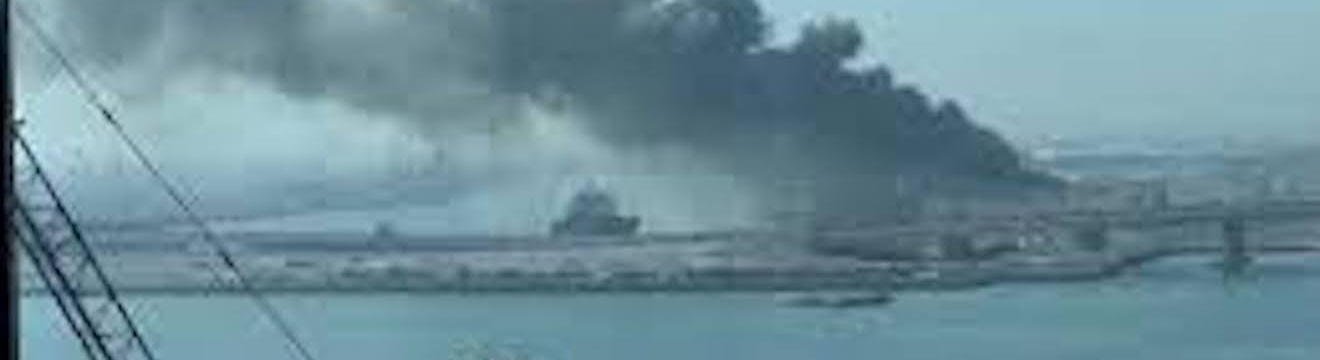
french Base Abu Dhabi Strikes (Source: Facebook)
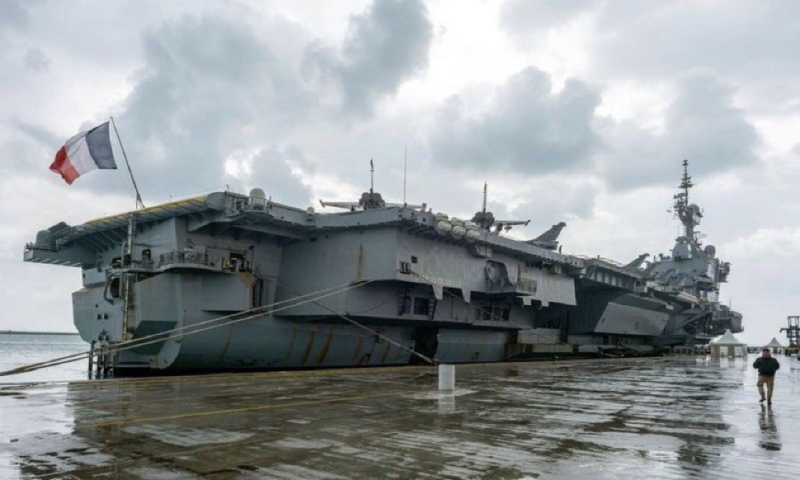
Charles De Gaulle Aircraft Carrier Deployed
(Source: X)
(Source: X)
This is an editorial geopolitical analysis, not an on the ground report, based on official statements and the author’s own experience as a Paris based correspondent watching this crisis unfold almost in real time.
A FRENCH BASE TURNED INTO A TARGET
When Iranian drones hit the Al Salam naval base in Abu Dhabi, also known as Camp de la Paix, hosting French forces at the invitation of the UAE , Emirati officials were quick to stress two points: the attack was serious, but the damage was limited and under control. In a description relayed by regional and international outlets, the UAE Ministry of Defence explained that drones triggered a fire in containers storing general materials on the base and that emergency teams rapidly contained the blaze, with no casualties reported. For both Abu Dhabi and Paris, the line to hold was that Iran had crossed a threshold by hitting a base hosting French forces, yet had not succeeded in inflicting a strategic defeat on the ground. (Source US Embassy in UAE, English Ahram .org)
When Iranian drones hit the Al Salam naval base in Abu Dhabi, also known as Camp de la Paix, hosting French forces at the invitation of the UAE , Emirati officials were quick to stress two points: the attack was serious, but the damage was limited and under control. In a description relayed by regional and international outlets, the UAE Ministry of Defence explained that drones triggered a fire in containers storing general materials on the base and that emergency teams rapidly contained the blaze, with no casualties reported. For both Abu Dhabi and Paris, the line to hold was that Iran had crossed a threshold by hitting a base hosting French forces, yet had not succeeded in inflicting a strategic defeat on the ground. (Source US Embassy in UAE, English Ahram .org)
CONSULAR ALERTS AND FRENCH NATIONALS IN THE GULF
The attack landed in the middle of a delicate consular balancing act. The French foreign ministry had already urged citizens in the Gulf to be “vigilant, prudent and informed” as the US/Israel war in Iran escalated, but it had stopped short of calling for mass departures from the Emirates. On 3 March, many of the roughly 4,000 French nationals living and working in the UAE were still focused on keeping their jobs and family life going, rather than on booking flights out of Dubai or Abu Dhabi. That changed as local authorities and consular services began sending SMS alerts instructing residents to identify underground car parks or reinforced basements as shelters, to move away from windows, and to prepare for the possibility that commercial flights would become harder to access if the missile and drone campaign intensified. In parallel, Paris prepared charter flight options for the most vulnerable nationals as part of its wider evacuation planning for the region.
The attack landed in the middle of a delicate consular balancing act. The French foreign ministry had already urged citizens in the Gulf to be “vigilant, prudent and informed” as the US/Israel war in Iran escalated, but it had stopped short of calling for mass departures from the Emirates. On 3 March, many of the roughly 4,000 French nationals living and working in the UAE were still focused on keeping their jobs and family life going, rather than on booking flights out of Dubai or Abu Dhabi. That changed as local authorities and consular services began sending SMS alerts instructing residents to identify underground car parks or reinforced basements as shelters, to move away from windows, and to prepare for the possibility that commercial flights would become harder to access if the missile and drone campaign intensified. In parallel, Paris prepared charter flight options for the most vulnerable nationals as part of its wider evacuation planning for the region.
THE UAE’S OFFICIAL MESSAGE: AN “UNPRECEDENTED” ATTACK
From Washington, the UAE Embassy amplified the message that the country was facing an “unprecedented” series of attacks but remained determined to defend itself and maintain stability. In public comments and linked updates, Emirati officials described how the UAE Air Defence had intercepted the vast majority of the more than one thousand drones and missiles launched against the country since the start of the Iran–US–Israel confrontation, while acknowledging incidents like the fire at the base hosting French forces. The embassy’s communications placed this under a broader diplomatic frame: the UAE, a long standing security partner of Western countries, reserved its right to respond at a time and manner of its choosing but presented itself as acting within international law and in coordination with its allies. For Paris, this narrative matters, because it defines the legal and political context in which any French defensive move in support of Emirati territory or bases would be read.
From Washington, the UAE Embassy amplified the message that the country was facing an “unprecedented” series of attacks but remained determined to defend itself and maintain stability. In public comments and linked updates, Emirati officials described how the UAE Air Defence had intercepted the vast majority of the more than one thousand drones and missiles launched against the country since the start of the Iran–US–Israel confrontation, while acknowledging incidents like the fire at the base hosting French forces. The embassy’s communications placed this under a broader diplomatic frame: the UAE, a long standing security partner of Western countries, reserved its right to respond at a time and manner of its choosing but presented itself as acting within international law and in coordination with its allies. For Paris, this narrative matters, because it defines the legal and political context in which any French defensive move in support of Emirati territory or bases would be read.
DEFENSIVE POSTURE, CYPRUS AND THE “EUROPEAN GATEWAY”
The strike that hit Cyprus, an EU member state and a geographical hinge between Europe and the Middle East is more than just another incident in a complex war map. It underlines the fact that the Iran–US–Israel confrontation is now brushing up directly against the external border of the European Union, turning the eastern Mediterranean into a “gateway” where European security and Middle Eastern instability meet. For French decision makers, this reinforces the argument that deployments in support of partners like the UAE or Qatar are no longer just about distant alliances or energy flows; they are about preventing the conflict from spilling further into European airspace, ports and communication routes. As more actors are dragged, willingly or not, into this confrontation, the link between a French base in Abu Dhabi, a drone impact in Cyprus and debates in Brussels on collective defence becomes clearer and harder for Paris to ignore.
The strike that hit Cyprus, an EU member state and a geographical hinge between Europe and the Middle East is more than just another incident in a complex war map. It underlines the fact that the Iran–US–Israel confrontation is now brushing up directly against the external border of the European Union, turning the eastern Mediterranean into a “gateway” where European security and Middle Eastern instability meet. For French decision makers, this reinforces the argument that deployments in support of partners like the UAE or Qatar are no longer just about distant alliances or energy flows; they are about preventing the conflict from spilling further into European airspace, ports and communication routes. As more actors are dragged, willingly or not, into this confrontation, the link between a French base in Abu Dhabi, a drone impact in Cyprus and debates in Brussels on collective defence becomes clearer and harder for Paris to ignore.
In that sense, each new escalation forces France to choose between maintaining the fiction of a purely defensive posture and acknowledging that it is operating on a front line that now runs from the Strait of Hormuz to the shores of the European Union.../ To be continued
Liability for this article lies with the author, who also holds the copyright. Editorial content from USPA may be quoted on other websites as long as the quote comprises no more than 5% of the entire text, is marked as such and the source is named (via hyperlink).