Politics
TRUMP’S BOARD OF PEACE OR HOW WASHINGTON PRESENTS NEW MODEL FOR GAZA AND BEYOND
FROM GAZA TO DAVOS

Invitation to Board of PEACE by POTUS TRUMP (Source: White House, courtesy)
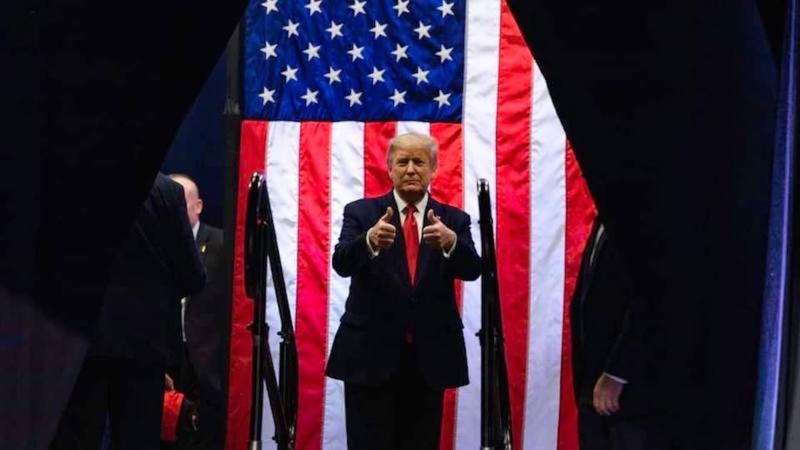
POTUS Donald Trump/ Congress
(Source: White House, Courtesy)
(Source: White House, Courtesy)
PHASE TWO OF THE COMPREHENSIVE PLAN
In the American narrative, the creation of the National Committee for the Administration of Gaza (NCAG) marks the decisive start of Phase Two of Trump’s 20 point roadmap: moving from cease-fire management to rebuilding a functioning society. The NCAG is presented as a strictly technocratic body, led by Dr. Ali Sha’ath, tasked with restoring basic public services, rebuilding civil institutions and stabilising daily life while avoiding the factional rivalries that crippled previous Palestinian governance structures. This transitional arrangement is explicitly linked to Resolution 2803, which endorsed Trump’s Comprehensive Plan and “welcomed” the new governance and security mechanisms, including the Board of Peace and a temporary International Stabilization Force.
In the American narrative, the creation of the National Committee for the Administration of Gaza (NCAG) marks the decisive start of Phase Two of Trump’s 20 point roadmap: moving from cease-fire management to rebuilding a functioning society. The NCAG is presented as a strictly technocratic body, led by Dr. Ali Sha’ath, tasked with restoring basic public services, rebuilding civil institutions and stabilising daily life while avoiding the factional rivalries that crippled previous Palestinian governance structures. This transitional arrangement is explicitly linked to Resolution 2803, which endorsed Trump’s Comprehensive Plan and “welcomed” the new governance and security mechanisms, including the Board of Peace and a temporary International Stabilization Force.
THE BOARD OF PEACE: TRUMP AS CHAIRMAN-IN-CHIEF
At the heart of the new system sits the Board of Peace, described by the White House as a strategic hub rather than a rival to the UN, even though its mandate clearly extends beyond Gaza. Chaired personally by President Trump, the Board is tasked with overseeing implementation of all 20 points of the plan, mobilising international finance and enforcing accountability on reconstruction, governance and demilitarisation. A founding Executive Board brings together figures who mix political clout and business experience Marco Rubio, Steve Witkoff, Jared Kushner, Sir Tony Blair, Marc Rowan, Ajay Banga and Robert Gabriel each assigned portfolios ranging from governance capacity building and regional diplomacy to infrastructure, investment and large scale funding. (Source Al Jazeera)
At the heart of the new system sits the Board of Peace, described by the White House as a strategic hub rather than a rival to the UN, even though its mandate clearly extends beyond Gaza. Chaired personally by President Trump, the Board is tasked with overseeing implementation of all 20 points of the plan, mobilising international finance and enforcing accountability on reconstruction, governance and demilitarisation. A founding Executive Board brings together figures who mix political clout and business experience Marco Rubio, Steve Witkoff, Jared Kushner, Sir Tony Blair, Marc Rowan, Ajay Banga and Robert Gabriel each assigned portfolios ranging from governance capacity building and regional diplomacy to infrastructure, investment and large scale funding. (Source Al Jazeera)
A HEAVYWEIGHT CAST FOR GAZA’S TRANSITION
To translate this architecture into practice, Washington highlights a line up of appointees designed to reassure both investors and security hawks. H.E. Nickolay Mladenov, a veteran UN mediator, serves as High Representative for Gaza and as the key link between the Board of Peace and the NCAG, supervising governance, reconstruction and development while coordinating civilian and security pillars. Security is entrusted to Major General Jasper Jeffers, commander of the International Stabilization Force (ISF), whose mission is to demilitarize Gaza, guarantee a “terror free” environment and secure humanitarian and reconstruction corridors in line with the demilitarization provisions of Resolution 2803. (Source Al-Jazeera)
To translate this architecture into practice, Washington highlights a line up of appointees designed to reassure both investors and security hawks. H.E. Nickolay Mladenov, a veteran UN mediator, serves as High Representative for Gaza and as the key link between the Board of Peace and the NCAG, supervising governance, reconstruction and development while coordinating civilian and security pillars. Security is entrusted to Major General Jasper Jeffers, commander of the International Stabilization Force (ISF), whose mission is to demilitarize Gaza, guarantee a “terror free” environment and secure humanitarian and reconstruction corridors in line with the demilitarization provisions of Resolution 2803. (Source Al-Jazeera)
THE GAZA EXECUTIVE BOARD: “BEST-IN-CLASS” SERVICE DELIVERY
Beneath the high level Board, a Gaza Executive Board is being assembled to support day to day governance and what the White House calls “best-in-class services” for Gaza’s population. This second tier body blends US, European and regional actors Steve Witkoff, Jared Kushner, Turkey’s Hakan Fidan, Ali Al Thawadi, General Hassan Rashad, Sir Tony Blair, Marc Rowan, UAE minister Reem Al Hashimy, Nickolay Mladenov, Yakir Gabay and Sigrid Kaag chosen for their experience in diplomacy, mega projects and development finance. In the US framing, this triple structure Board of Peace, Executive Board, Gaza Executive Board offers a clear chain of command that can move faster than UN bureaucracies, while still operating under a Security Council mandate.
Beneath the high level Board, a Gaza Executive Board is being assembled to support day to day governance and what the White House calls “best-in-class services” for Gaza’s population. This second tier body blends US, European and regional actors Steve Witkoff, Jared Kushner, Turkey’s Hakan Fidan, Ali Al Thawadi, General Hassan Rashad, Sir Tony Blair, Marc Rowan, UAE minister Reem Al Hashimy, Nickolay Mladenov, Yakir Gabay and Sigrid Kaag chosen for their experience in diplomacy, mega projects and development finance. In the US framing, this triple structure Board of Peace, Executive Board, Gaza Executive Board offers a clear chain of command that can move faster than UN bureaucracies, while still operating under a Security Council mandate.
EUROPEAN SCEPTICISM AND CONDITIONAL SUPPORT
Across Europe, reactions to the Board of Peace remain cautious, even as most governments publicly welcome any step that reduces violence and improves humanitarian conditions in Gaza. French President Emmanuel Macron and several EU partners have stressed their attachment to the UN Charter and signaled discomfort with what senior officials privately describe as a “parallel peace architecture” dominated by Washington and key donors. Germany, Italy, Spain and the United Kingdom acknowledge receiving invitations or exploratory contacts, but their leaders have largely delayed clear endorsements, seeking coordination within the EU and with the UN before taking a formal position on membership or financial contributions. (The national news)
Across Europe, reactions to the Board of Peace remain cautious, even as most governments publicly welcome any step that reduces violence and improves humanitarian conditions in Gaza. French President Emmanuel Macron and several EU partners have stressed their attachment to the UN Charter and signaled discomfort with what senior officials privately describe as a “parallel peace architecture” dominated by Washington and key donors. Germany, Italy, Spain and the United Kingdom acknowledge receiving invitations or exploratory contacts, but their leaders have largely delayed clear endorsements, seeking coordination within the EU and with the UN before taking a formal position on membership or financial contributions. (The national news)
HOW WASHINGTON JUSTIFIES THE NEW ARCHITECTURE
American officials point to Resolution 2803 to argue that the Board of Peace is not an improvisation but a legal “transitional administration” with international personality, empowered to coordinate funding, security and governance until a reformed Palestinian Authority can take over. Supporters in Washington and some allied capitals say the model answers hard lessons from past missions: it links military drawdown to verified demilitarization, ties international aid to institutional reform, and keeps political control in the hands of a small group of states with both resources and strategic stakes. The White House insists that the United States will “remain fully committed” and will work “in close partnership with Israel, key Arab nations and the international community” to turn the 20 point plan from paper into facts on the ground. (Source: News virtual Library)
American officials point to Resolution 2803 to argue that the Board of Peace is not an improvisation but a legal “transitional administration” with international personality, empowered to coordinate funding, security and governance until a reformed Palestinian Authority can take over. Supporters in Washington and some allied capitals say the model answers hard lessons from past missions: it links military drawdown to verified demilitarization, ties international aid to institutional reform, and keeps political control in the hands of a small group of states with both resources and strategic stakes. The White House insists that the United States will “remain fully committed” and will work “in close partnership with Israel, key Arab nations and the international community” to turn the 20 point plan from paper into facts on the ground. (Source: News virtual Library)
A NEW MODEL OR A PARALLEL UN?
From Washington’s viewpoint, the Board of Peace is proof that the United States can modernise conflict management by fusing private capital, strategic allies and hard security guarantees under a UN backed mandate. Trump allies present the Gaza experiment as a template that could later be applied to other crises, from Syria to parts of Africa, making the Davos launch both a regional initiative and a global pitch. For many European leaders, however, the key question is whether this architecture will complement the UN system or slowly supplant it reshaping international order around a smaller group of paying members at a moment when trust in multilateralism is already under intense strain.
From Washington’s viewpoint, the Board of Peace is proof that the United States can modernise conflict management by fusing private capital, strategic allies and hard security guarantees under a UN backed mandate. Trump allies present the Gaza experiment as a template that could later be applied to other crises, from Syria to parts of Africa, making the Davos launch both a regional initiative and a global pitch. For many European leaders, however, the key question is whether this architecture will complement the UN system or slowly supplant it reshaping international order around a smaller group of paying members at a moment when trust in multilateralism is already under intense strain.
Liability for this article lies with the author, who also holds the copyright. Editorial content from USPA may be quoted on other websites as long as the quote comprises no more than 5% of the entire text, is marked as such and the source is named (via hyperlink).